Streamlining Cleaning Checklists for Maximum Efficiency
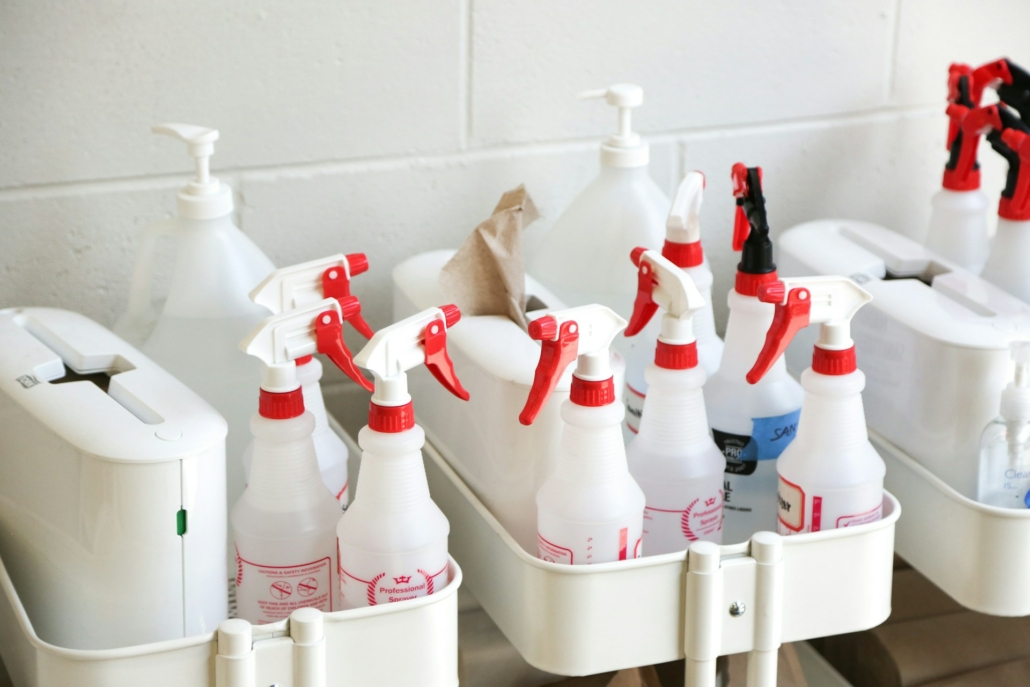
Efficient cleaning checklists play a crucial role in streamlining operations in commercial cleaning. By providing detailed and organised task lists, these checklists ensure that cleaning teams can operate smoothly and focus on what truly matters. When tasks are clear and concise, it minimises the risk of overlooking important steps and helps maintain a consistent quality of work.
Switching from paper-based to digital checklists can significantly save time and resources. Digital systems eliminate the hassle and clutter of paperwork, making it easier for teams to track progress and make real-time adjustments as needed. This adaptability is essential in meeting the varied demands of commercial cleaning standards, which often require flexibility and precision.
Adhering to industry standards is vital for service providers aiming to uphold a positive reputation and fulfil client expectations. Well-structured checklists support compliance with these standards by ensuring that every task is completed to the required level of excellence. In essence, an efficient cleaning checklist is not just a tool for task management but a cornerstone for achieving service excellence.
Understanding the Impact of Efficient Cleaning Checklists
Cleaning checklists are vital tools for optimising cleaning operations. They provide a structured approach to tasks, ensuring nothing is missed and everything runs smoothly. With a clear checklist, cleaning teams know exactly what needs to be done, reducing confusion and increasing efficiency. By laying out tasks in order, crews can work more systematically, saving time and cutting down on redundant efforts.
Efficient checklists are essential for resource management. By prioritising tasks and defining roles clearly, teams can allocate their resources smartly, minimising waste of materials and labour hours. This streamlined approach not only saves time but also reduces costs, allowing businesses to operate more profitably.
Meeting commercial cleaning standards is a primary objective driven by efficient checklists. Companies must adhere to these standards to maintain client satisfaction and industry credibility. Checklists ensure that all tasks meet the required quality. They act as a benchmark that guides cleaning teams to deliver consistent, high-quality work. By doing so, they help build trust with clients and can lead to long-term business relationships.
Features of Effective Digital Cleaning Checklists
Effective digital cleaning checklists boast several essential features that set them apart from outdated methods. First, they offer intuitive interfaces that make it easy for staff to understand what tasks need completion. Accessibility across devices ensures everyone can view and update checklists in real-time, avoiding any communication gaps.
Customisable templates enhance flexibility and adaptability. By allowing users to tailor checklists to specific job sites or client needs, businesses ensure their services are relevant and precise. This personalisation aids in maintaining consistency while accommodating unique contract requirements.
Real-time updates and notifications are crucial components of these checklists. They provide instant alerts when tasks are completed or require attention, facilitating responsive action and accountability. Moreover, they enable managers to monitor progress remotely, ensuring tasks are carried out as planned.
Key features include:
– User-friendly interfaces
– Device compatibility for on-the-go access
– Customisable templates for tailored task lists
– Real-time notifications for instant updates
By leveraging these features, cleaning operations can achieve a higher level of organisation and efficiency, ensuring both staff and client expectations are consistently met.
Integrating Time and Attendance with Task Management
Time tracking and task management form a powerful synergy in cleaning operations. When integrated, time tracking confirms when employees arrive at a site, while task management keeps track of duties assigned and completed. This combination ensures that every step of the cleaning process is accounted for, enhancing operational flow.
This integration brings a new level of accountability to the workforce. By precisely logging clock-in and clock-out times along with completed tasks, managers can verify that all duties are completed during scheduled hours. This transparency helps in identifying areas for improvement and keeps teams focused on their responsibilities.
Moreover, meeting contractual obligations becomes much easier with this integration. Keeping detailed records of both time and tasks helps verify compliance with service agreements. Clients can trust that the team is delivering what was promised, building confidence and fostering long-term relationships.
Best Practices for Implementing Dynamic Checklists
Implementing dynamic cleaning checklists begins with a clear strategy. Start by identifying all tasks and breaking them down into manageable components. This step ensures that every necessary duty is accounted for in the checklist. Once tasks are listed, digital tools can be customised based on the specific needs of each location.
Regular reviews and updates are essential to keep checklists relevant. Cleaning requirements may change based on client needs or industry standards, so staying current ensures high-quality service. Scheduled reviews allow teams to adjust checklists, integrating any new requirements effortlessly.
Training staff plays a vital role in the smooth implementation of these checklists. Provide clear instructions and hands-on demonstrations to familiarise employees with the digital system. Encourage them to report any issues or suggest improvements, fostering a culture of continuous improvement within the team.
Conclusion
Streamlining cleaning checklists to maximise efficiency is crucial for maintaining high service standards. As the cleaning industry evolves, adopting modern solutions becomes essential to stay ahead. Efficient operations not only save time and reduce costs but also ensure that tasks are completed to the highest quality standards required by clients. Embracing digital tools and integrating them with tried-and-tested best practices will significantly enhance operational effectiveness.
Ready to revolutionise your cleaning operations? Let freshOps lead the way in transforming how your team manages time and tasks. With our advanced solutions, you can streamline your processes and ensure every job meets the highest standards. Visit freshOps today and explore how our user-friendly cleaning services software can boost both efficiency and satisfaction in your business.